
Eye Associates Northwest — Pediatric Eye Care
Eye Care Kids
Actually Feel Good About.
Our First Hill clinic was designed to be a safe, friendly space for children and families, and our team works to make every exam as tear-free as possible.
- A dedicated, child-friendly clinic space at First Hill
- Board-certified specialists trained in pediatric eye conditions
- An interactive, engaging approach to the eye exam
Is This Right for You?
Am I a Candidate for Pediatric Eye Care?
A few signs are worth watching for in your child's vision or eye appearance. If any of the following sound familiar, it may be time for an evaluation.
Early detection matters: Many pediatric eye conditions, such as amblyopia, respond best to treatment when caught early, which is why regular screening is recommended even without obvious symptoms.
Our Pediatric Specialties
What We Treat
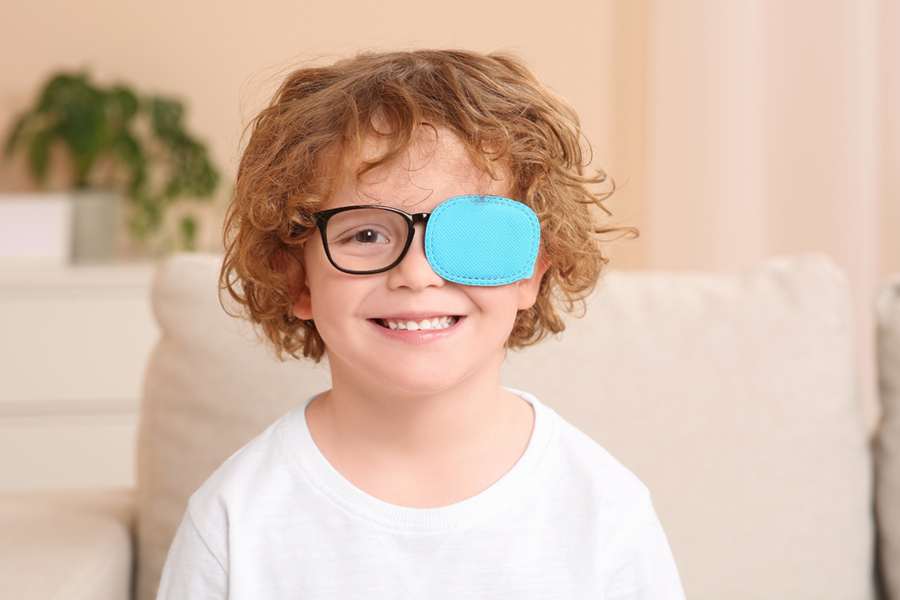
Our pediatric eye care team evaluates and treats a range of conditions specific to children, including abnormal red reflex, amblyopia (lazy eye), congenital cataracts, nystagmus, pseudostrabismus, refractive error, strabismus (eye crossing), stye and chalazion, and nasolacrimal duct obstruction causing tearing. Because the eye exam can be especially stressful for kids and parents alike, our board-certified team approaches each visit as an interactive, engaging experience rather than a purely clinical one, in a First Hill clinic space renovated in 2018 specifically with children and families in mind.
Renovated in 2018
First Hill clinic space designed for children and families
Interactive Exams
Approached as an engaging experience, not a stressful one
Wide Condition Range
From amblyopia to congenital cataracts and strabismus
Early Intervention
Conditions like amblyopia respond best when caught young
Patient Reviews
When to See a Pediatric Specialist
Routine Screening vs. Specialist Evaluation
Many children only need routine screening, but certain findings or symptoms call for a pediatric eye specialist's evaluation.
Routine Vision Screening
Basic screening by a pediatrician or school nurse
- Quick, general check of visual acuity
- Good for catching obvious vision problems
- Does not diagnose conditions like amblyopia or strabismus in detail
- Appropriate as a first step for most children
First Step
Pediatric Eye Specialist Evaluation
Comprehensive exam by a specialist
- Detailed exam tailored to children
- Diagnoses conditions such as amblyopia, strabismus, and congenital cataracts
- Recommended when screening reveals a concern
- Provides a specific treatment plan when needed
For Specific Concerns
If your child's pediatrician or a school screening raises a concern, a specialist evaluation can provide a definitive diagnosis and treatment plan.
Step by Step
Your Child’s Eye Care Journey
From a comfortable first visit to any needed treatment.
1
Welcome & Comfort
- Check-in at our renovated, child-friendly First Hill clinic
- Introduction to the exam in an interactive, engaging way
2
Evaluation
- Age-appropriate vision testing
- Screening for conditions like strabismus or amblyopia
3
Diagnosis
- Discussion of findings with parents in plain language
- Referral for further testing if needed
4
Treatment & Follow-Up
- Glasses, patching, or other treatment as recommended
- Follow-up visits to track your child’s progress
What to Expect
Expected Pediatric Eye Care Outcomes & Recovery
Many pediatric eye conditions respond well to treatment, especially when caught early.
What Patients Can Expect in the First 30 Days
- Some conditions, like amblyopia, require consistent treatment such as patching to see improvement
- Follow-up visits are scheduled to track your child’s progress
- Glasses prescriptions may change as your child grows
- Early treatment generally leads to better long-term outcomes
Informed Care
Safety & Risk Considerations
Pediatric eye evaluations are noninvasive, and any recommended treatments carry the safety profile typical for that specific condition.
Safety Profile
- Comprehensive exams are noninvasive and well-tolerated by most children
- Treatment plans are tailored to each child’s specific diagnosis and age
- Our clinic space is designed to reduce stress during exams
Possible Side Effects
How We Minimize Risk
Age-Appropriate Approach
Exams are conducted in a way that engages children rather than causing unnecessary stress or fear.
Board-Certified Specialists
Our pediatric eye specialist is board-certified and experienced in a range of childhood eye conditions.
Family-Centered Communication
Findings and treatment plans are explained clearly to parents at every step.
Why Eye Associates Northwest
What Sets Our Pediatric Eye Care Apart
A space and an approach built specifically for children.
Renovated Child-Friendly Clinic
Our First Hill clinic was renovated in 2018 to create a safe, welcoming space for children and families.
Interactive Exam Approach
We approach the eye exam as an engaging experience rather than a stressful procedure.
Board-Certified Pediatric Expertise
Our specialist treats a wide range of childhood eye conditions, from amblyopia to congenital cataracts.
Our Team
Meet Our Pediatric Eye Specialist
A board-certified specialist dedicated to comprehensive eye care for children.

Find Us
Pediatric Eye Care in Seattle & the Puget Sound
Pediatric eye exams are available at our First Hill location.
Coverage & Financing
Cost & Insurance
Pediatric eye exams and treatment for a diagnosed condition are generally billed to medical or vision insurance.
Insurance Coverage
Comprehensive pediatric eye exams and treatment for conditions such as amblyopia or strabismus are typically billed to medical or vision insurance.
- Comprehensive pediatric eye exam
- Diagnostic testing for conditions like amblyopia or strabismus
- Treatment planning and follow-up visits
- Billing support through our office
Eye Associates Northwest bills most major medical and vision insurance plans, including Medicare and Medicaid; contact your carrier to confirm your child’s specific benefits.
Self-Pay Options
For care outside your specific coverage, we keep the payment process simple.
- Pricing reviewed before treatment begins
- Multiple accepted payment methods
- Prompt-pay discount for qualifying patients
- Billing office available for questions
We accept cash, checks, Visa, MasterCard, American Express, and Discover, with a 15% prompt-pay discount for qualifying self-pay patients.
Insurance & Payment Made Simple. We bill most major medical and vision insurance plans, including Medicare and Medicaid. Patients without insurance coverage receive a 15% discount when paying in full the same day. Our billing team can answer questions about your specific coverage before your visit.
locationsCommon Questions
Frequently Asked Questions
Questions parents often ask about pediatric eye care.
At what age should my child have their first eye exam?
Some experts recommend a routine eye exam around age 3 if there are no signs of vision impairment; your child’s pediatrician can also help guide the right timing.
What is amblyopia?
Commonly called lazy eye, amblyopia is reduced vision in one eye that does not correct fully with glasses alone, and it responds best when treated early in childhood.
Will my child need surgery for strabismus?
Not always. Depending on the type and severity, treatment may include glasses, patching, or eye muscle surgery, and our specialist will recommend the appropriate approach.
How do you make exams easier for kids?
Our team approaches the exam as an interactive, engaging experience, and our First Hill clinic was renovated specifically to create a comfortable space for children and families.
Ready When You Are
Schedule Your Free Consultation
Most patients see results within 24 hours. Consultations are available at all four locations, online scheduling takes less than two minutes.