
Eye Associates Northwest — Myopia Control
Slowing Myopia,
One Child at a Time.
Myopia in children has increased by 66% in the U.S. over the past 30 years. We offer evidence-based treatments shown to slow its progression.
- Corneal reshaping (orthokeratology) lenses worn overnight
- Multifocal contact lenses designed to slow eye growth
- Low-dose atropine eye drops as an additional option
Is This Right for You?
Am I a Candidate for Myopia Control?
Myopia often first shows up in a few noticeable ways. If any of the following sound familiar, it may be time for an evaluation.
Genetics play a role: A child with one nearsighted parent has three times the risk of developing myopia, and six times the risk if both parents are myopic.

The Condition
What Is Myopia and Why Control It?
Myopia, or nearsightedness, is when close-up objects appear clear while distant objects appear blurry. The eye becomes elongated as children with myopia age, causing light to focus incorrectly on the retina, and both genetics and increased time spent on near work contribute to its development. Higher amounts of myopia carry increased long-term risk of glaucoma, cataracts, retinal detachment, and retinal degeneration. Four treatments currently have evidence supporting their effectiveness for slowing myopia progression in children: corneal reshaping (orthokeratology) lenses, multifocal contact lenses, bifocal or progressive eyeglasses, and low-dose atropine eye drops.
~40% Reduction
Average myopia progression slowed with orthoK or multifocal lenses
Day or Night Wear
OrthoK worn overnight; multifocal lenses worn during the day
Start Around Age 5
Early exams help catch and manage myopia sooner
Genetics Matter
Risk triples with one myopic parent, six-fold with two
Patient Reviews
Two Leading Options
Orthokeratology vs. Multifocal Contact Lenses
Both treatments are proven to slow myopia progression, but they work differently and fit different lifestyles.
Orthokeratology (OrthoK)
Custom rigid lenses worn while sleeping
- Worn only at night, not during the day
- Temporarily reshapes the cornea for clear daytime vision
- Reduces myopia progression by about 41% on average
- Effect is temporary and requires nightly wear to maintain
Worn Overnight
Multifocal Contact Lenses
Daytime lenses with a gradient prescription
- Worn during the day like standard contact lenses
- Reduces myopia progression by about 40% on average
- May suit children not ready for overnight lens wear
- Requires consistent daily wear for best effect
Worn During the Day
Bifocal & Progressive Glasses
Full-time eyewear with a built-in reading correction
- Worn full-time, during the day
- Reduces demand on near-focusing to help slow eye growth
- Can reduce myopia progression by roughly 39-51% on average
- A good fit for children not ready for contact lenses
For Full-Time Wear
We will help you decide which option fits your child’s age, lifestyle, and comfort with lenses.
Step by Step
Your Child’s Myopia Control Journey
From evaluation to ongoing monitoring of your child's eye growth.
1
Evaluation
- Comprehensive eye exam and prescription measurement
- Discussion of family history and risk factors
2
Treatment Selection
- Review of orthoK, multifocal lenses, glasses, or atropine options
- Fitting for the chosen lens type, if applicable
3
Adjustment Period
- Training on lens insertion, removal, and care
- Follow-up visits to confirm proper fit and comfort
4
Ongoing Monitoring
- Regular exams to track prescription and eye growth
- Treatment adjustments as your child grows
What to Expect
Expected Myopia Control Outcomes & Recovery
While there is no guarantee any specific treatment will work for every child, evidence-based options have been shown to meaningfully slow myopia progression.
What Patients Can Expect in the First 30 Days
- Adjustment period as your child gets used to lens wear or eye drops
- OrthoK lenses require nightly cleaning and care
- Some children experience mild eye dryness with atropine drops
- Consistent use is important for treatments to be effective
- Follow-up visits scheduled to track progress and fit
Informed Care
Safety & Risk Considerations
Myopia control treatments are widely used and well-studied, though as with any contact lens or medication there are risks to discuss with your child's doctor.
Safety Profile
- Orthokeratology lenses are FDA-approved for overnight wear
- Low-dose atropine (0.01%) has been shown to reduce progression without significantly enlarging the pupil or reducing near vision
- All options require regular monitoring visits
Possible Side Effects
- Mild eye irritation during the adjustment period with any new lens type
- Increased risk of eye infection if lens hygiene instructions are not followed
- Mild light sensitivity possible with low-dose atropine drops
How We Minimize Risk
Proper Lens Hygiene Training
Children and parents are trained on correct insertion, removal, and cleaning to reduce infection risk.
Regular Monitoring Visits
Consistent follow-up allows early detection of any fit or comfort issues.
Age-Appropriate Treatment Selection
Treatment is matched to your child’s age, responsibility level, and comfort with lenses or drops.
Why Eye Associates Northwest
What Sets Our Myopia Control Clinic Apart
A dedicated clinic focused specifically on slowing childhood myopia.
Evidence-Based Options
We offer the treatments currently supported by research for slowing myopia progression.
Experience Fitting Children
Our team is experienced in fitting orthoK and multifocal lenses specifically for younger patients.
Family-Centered Education
We help parents understand risk factors and healthy habits alongside clinical treatment.
Our Team
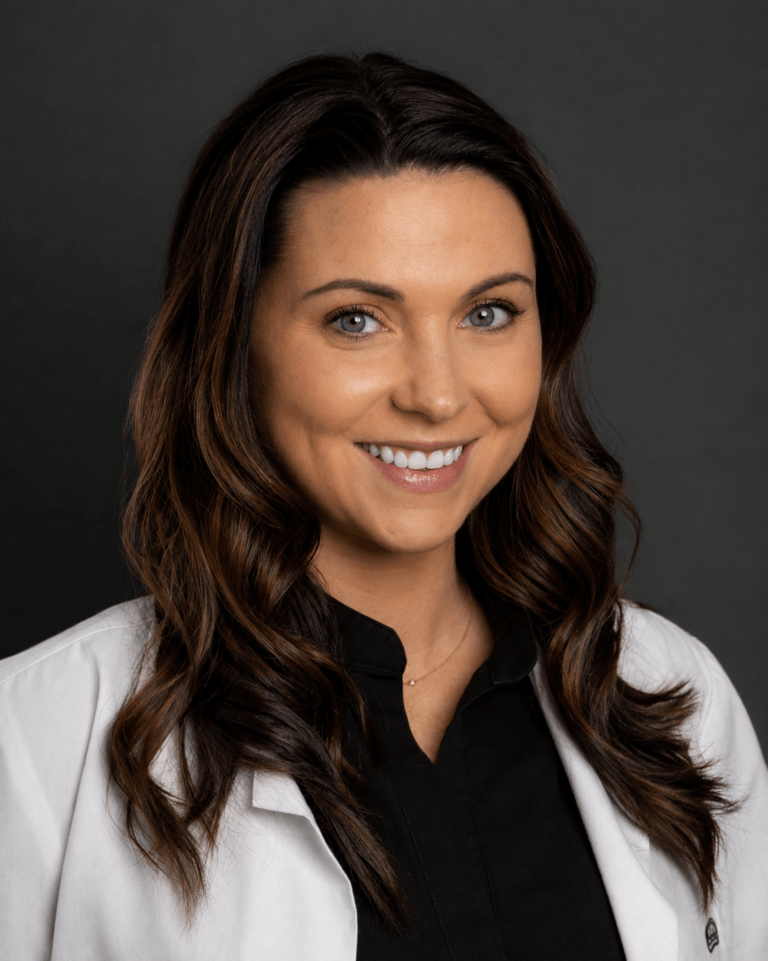
Meet Our Myopia Control Team
Optometrists dedicated to evidence-based myopia management for children.



Find Us
Myopia Control in Seattle & the Puget Sound
Myopia control evaluations are available at our Seattle-area locations.
Coverage & Financing
Cost & Insurance
Myopia control is generally considered an elective, preventive service, so cost varies by treatment chosen.
Insurance & Vision Plans
Myopia control lenses and treatments are frequently not covered by vision insurance, since they are considered a specialty service beyond a standard prescription.
- Comprehensive myopia evaluation
- Discussion of orthoK, multifocal lenses, glasses, or atropine options
- Ongoing fitting and monitoring visits
- Billing support through our office
Our team can help you understand which parts of your evaluation, such as the comprehensive eye exam, may be billed to your medical or vision insurance.
Self-Pay Options
Since many myopia control treatments fall outside insurance, we keep pricing clear upfront.
- Full pricing reviewed before you commit to a treatment
- Multiple accepted payment methods
- Prompt-pay discount for qualifying patients
- Billing office available for questions
We accept cash, checks, Visa, MasterCard, American Express, and Discover, with a 15% prompt-pay discount for qualifying self-pay patients.
Insurance & Payment Made Simple. We bill most major medical and vision insurance plans, including Medicare and Medicaid. Patients without insurance coverage receive a 15% discount when paying in full the same day. Our billing team can answer questions about your specific coverage before your visit.
locationsCommon Questions
Frequently Asked Questions
What parents most often ask about myopia control.
At what age should myopia control start?
Early detection is key, and routine annual eye exams should start as early as age 5 so that any changes can be caught and addressed early.
Can myopia be cured?
There is no cure for myopia once it starts. Treatment is designed to prevent or slow further progression, not reverse existing nearsightedness.
Is orthokeratology safe for children?
Yes, corneal reshaping lenses are FDA-approved, custom rigid gas-permeable lenses. As with any contact lens, proper hygiene and care are important to reduce risk.
Does screen time cause myopia?
Spending more time on near work, including screens, is a well-documented risk factor for myopia development, alongside genetics and reduced outdoor time.
How much can outdoor time help?
Studies show that at least 90 minutes of outdoor play a day can reduce the onset of myopia by about 50%, though it has not been shown to slow progression once myopia has started.
What can we do at home to help manage screen time?
A few habits can help reduce eye strain from near work: limiting non-school screen time to under 3 hours a day, following the 20-20-20 rule by looking at something 20 feet away for 20 seconds every 20 minutes, and avoiding screens for at least 30 minutes before bed.
Does ethnicity affect myopia risk?
Yes. Research has found a connection between Asian ethnicity and faster myopia progression, with higher prevalence worldwide in this population. Ethnicity is one of several risk factors, alongside genetics and time spent on near work, that your doctor will consider when developing a monitoring and treatment plan for your child.
Ready When You Are
Schedule Your Free Consultation
Most patients see results within 24 hours. Consultations are available at all four locations, online scheduling takes less than two minutes.