
Eye Associates Northwest — Eyelid & Facial Surgery
Expert Care
for the Eyes and Face.
Oculofacial plastic surgeons are the only surgeons trained in both eye surgery and surgery of the soft tissues of the face, an important distinction when procedures are performed this close to the eyes.
- Cosmetic options including eyelid surgery, brow lift, and laser skin resurfacing
- Reconstructive options for tumors, trauma, and thyroid eye disease
- Surgery performed with attention to both appearance and eye function
Is This Right for You?
Am I a Candidate for Eyelid & Facial Surgery?
Facial aging shows up in a few common ways around the eyes and face. If any of the following sound familiar, it may be time for an evaluation.
Both function and appearance matter: Some patients seek cosmetic improvement, while others need reconstructive treatment for a functional problem such as drooping eyelids that block vision.
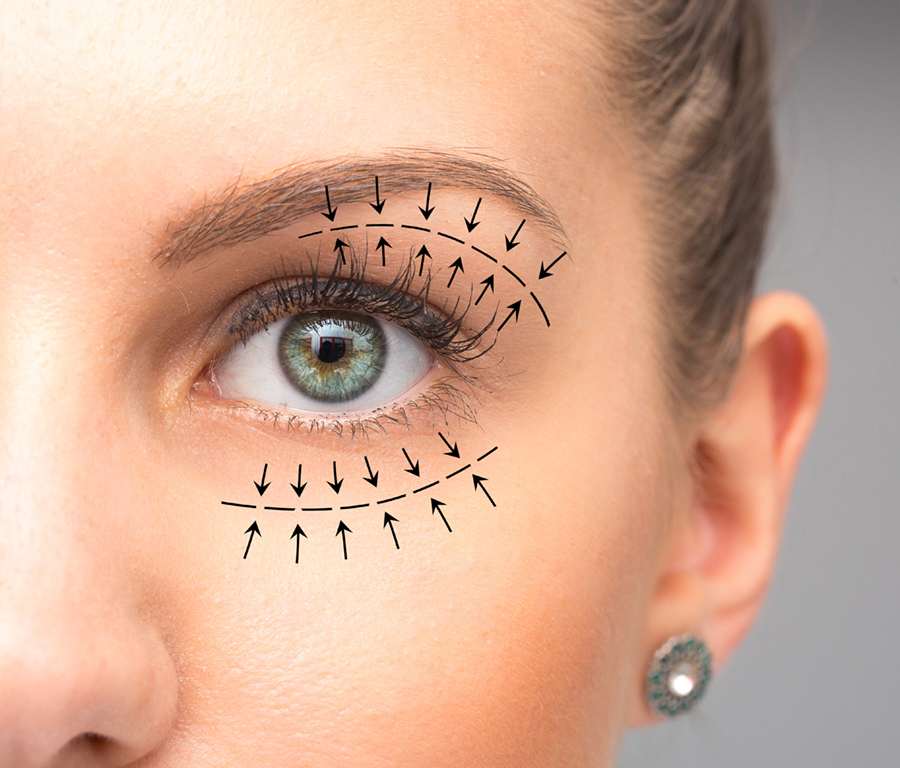
The Specialty
What Is Oculofacial Plastic Surgery?
As we age, the soft tissues and skin of the face develop increased laxity and sagging. In the upper face, this can cause drooping eyebrows, hooding of the eyelids, resting forehead lines, and hollowing of the temples. Elsewhere in the face, downward descent of soft tissue leads to deeper lines, loss of elasticity causes sagging and puffiness around the eyes, and loss of facial fat leads to deflation and hollows. Oculofacial plastic surgeons are the only surgeons trained in both eye surgery and surgery of the soft tissues of the face, which matters because procedures performed this close to the eyes carry both aesthetic and functional considerations.
Dual Fellowship Training
Trained in both ophthalmology and facial plastic surgery
Cosmetic & Reconstructive
One surgeon manages both categories of care
Function-First
Procedures planned to protect eye function, not just appearance
Outpatient
Most eyelid and facial procedures are performed same-day
Patient Reviews
Two Categories of Care
Cosmetic vs. Reconstructive Surgery
Oculofacial procedures fall into two broad categories, and many patients benefit from a combination tailored to their goals.
Cosmetic Procedures
Elective enhancement of the eyes and face
- Includes eyelid surgery, brow lift, cheek and mid-face lift, and liquid facelift
- Also includes laser skin resurfacing, chemical peels, and cosmetic lesion removal
- Botox, filler, and Kybella available as nonsurgical options
- Elective and typically not covered by insurance
- Focused on aesthetic goals rather than function
Appearance-Focused
Reconstructive Procedures
Treatment for medical or functional problems
- Includes skin cancer reconstruction and tear drainage repair
- Addresses functional problems like drooping eyelids blocking vision
- Often covered by medical insurance when medically necessary
- Includes treatment for facial paralysis and thyroid eye disease
Function-Focused
Your surgeon will discuss which category, or combination, fits your specific concerns at your consultation.
Step by Step
Your Eyelid & Facial Surgery Journey
From consultation to recovery, tailored to your specific procedure.
1
Consultation
- Assessment of your cosmetic or functional concerns
- Discussion of surgical and nonsurgical options
2
Surgical Planning
- Procedure selected based on your goals and anatomy
- Pre-operative instructions provided
3
Procedure Day
- Performed with attention to both appearance and eye function
- Outpatient recovery for most procedures
4
Recovery
- Post-operative visits to monitor healing
- Guidance on makeup, sun exposure, and activity restrictions
What to Expect
Expected Eyelid & Facial Surgery Outcomes & Recovery
Recovery and results vary by procedure, and your surgeon will set expectations specific to your treatment plan.
What Patients Can Expect in the First 30 Days
- Swelling and bruising are common in the first one to two weeks
- Cold compresses may be recommended to reduce swelling
- Activity restrictions typically apply for one to two weeks after surgery
- Follow-up visits scheduled to monitor healing and results
- Full results may take several weeks to become fully apparent
Informed Care
Safety & Risk Considerations
As with any surgery, eyelid and facial procedures carry risks, which your surgeon will review based on your specific procedure.
Safety Profile
- Performed by a fellowship-trained oculofacial plastic surgeon
- Outpatient procedures with established safety profiles
- Planned with preservation of eye function as a priority
Possible Side Effects
- Swelling and bruising in the days following surgery
- Temporary dryness or irritation of the eyes after eyelid procedures
- Mild scarring that typically fades over time
How We Minimize Risk
Specialized Surgical Training
Fellowship training in both ophthalmology and facial plastic surgery supports careful, function-preserving technique.
Individualized Procedure Planning
Cosmetic and reconstructive goals are both considered in planning your specific procedure.
Structured Recovery Monitoring
Post-operative visits track healing and catch any concerns early.
Why Eye Associates Northwest
What Sets Our Oculofacial Program Apart
Specialized training that most facial plastic surgeons do not have.
Dual Fellowship Training
Training in both ophthalmology and facial plastic surgery, uncommon outside oculofacial specialists.
Function-First Approach
Procedures are planned to protect eye function, not just appearance.
Both Cosmetic and Reconstructive Expertise
From Botox to skin cancer reconstruction, one surgeon manages the full range of care.
Our Team
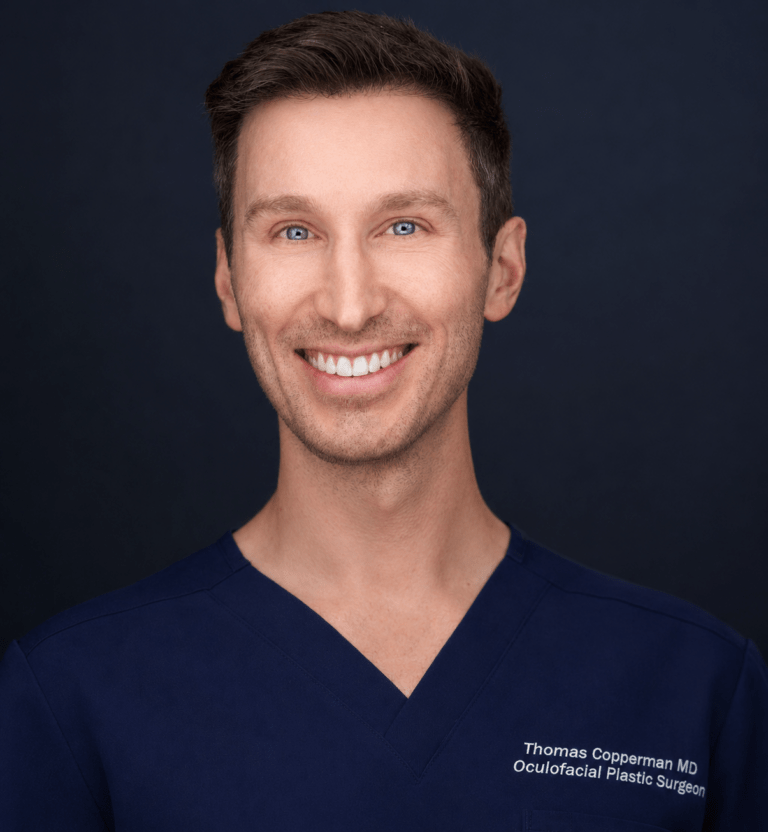
Meet Our Oculofacial Plastic Surgeon
A fellowship-trained specialist in surgery of the eyes and surrounding face.
Find Us
Eyelid & Facial Surgery in Seattle & the Puget Sound
Eyelid and facial surgery consultations are available at our Seattle-area locations.
Coverage & Financing
Cost & Insurance
Cosmetic and reconstructive oculofacial procedures are billed very differently.
Reconstructive Procedures
When surgery addresses a functional problem, such as eyelids that obstruct vision or facial trauma, it is typically billed to medical insurance.
- Functional eyelid or facial surgery evaluation
- Coordination with insurance for medical necessity documentation
- Billing support through our office
Eye Associates Northwest bills most major medical insurance plans, including Medicare and Medicaid; documentation of functional impairment may be required for coverage.
Cosmetic Procedures
Elective cosmetic procedures, such as Botox, filler, or a brow lift performed for appearance alone, are generally an out-of-pocket cost.
- Pricing discussed at your consultation
- Cash, check, and major credit cards accepted
- 15% prompt-pay discount for qualifying self-pay patients
Your surgeon will discuss specific pricing for cosmetic procedures at your consultation.
Insurance & Payment Made Simple. We bill most major medical and vision insurance plans, including Medicare and Medicaid. Patients without insurance coverage receive a 15% discount when paying in full the same day. Our billing team can answer questions about your specific coverage before your visit.
locationsCommon Questions
Frequently Asked Questions
Questions patients often ask before eyelid or facial surgery.
What is an oculofacial plastic surgeon?
It is a surgeon with specialized fellowship training in both eye surgery and surgery of the soft tissues of the face, which matters because procedures around the eyes have both aesthetic and functional implications.
Will insurance cover my eyelid surgery?
It depends on whether the procedure is medically necessary, such as eyelids that obstruct your vision, or purely cosmetic. Your surgeon can help determine which category applies to your case.
What nonsurgical options do you offer?
We offer Botox, dermal filler, Kybella, and laser skin resurfacing for patients seeking nonsurgical improvement.
Do you treat thyroid eye disease?
Yes, thyroid eye disease is one of the reconstructive conditions our oculofacial plastic surgeon treats, alongside facial paralysis, blepharospasm, and orbital or eyelid tumors.
Ready When You Are
Schedule Your Free Consultation
Most patients see results within 24 hours. Consultations are available at all four locations, online scheduling takes less than two minutes.